Simple Budget Habits for Everyday Life
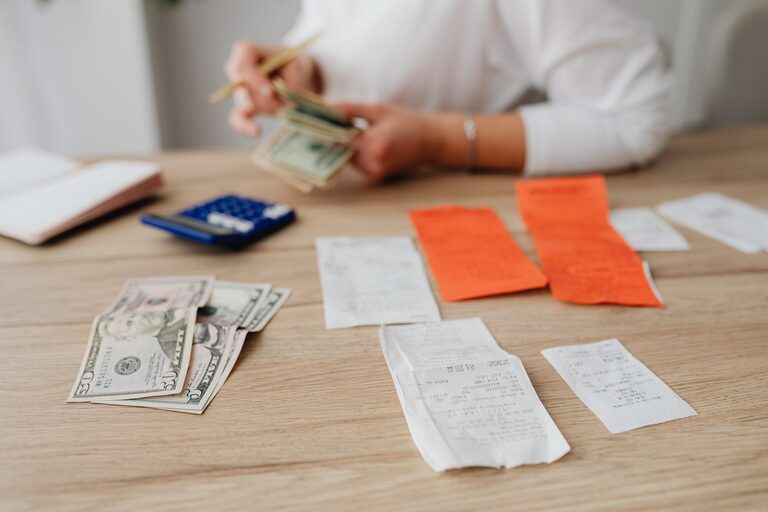
Managing your money doesn’t need to be complicated or overwhelming. Developing simple budget habits for everyday life can help you take control of your finances, reduce stress, and save for the things that matter most. Whether you’re new to budgeting or looking to improve your current routine, these practical tips will guide you toward smarter money choices.
Why Simple Budget Habits Matter
Budgeting isn’t just about restricting yourself or tracking every penny. It’s about creating a clear plan that fits your lifestyle and helps you meet your financial goals. Simple budgeting habits build consistency, making it easier to stay on track without feeling deprived or confused.
By adopting these habits, you can:
– Avoid overspending
– Increase your savings
– Prepare for unexpected expenses
– Gain confidence in your financial decisions
Essential Budget Habits to Practice Daily
1. Track Your Spending Briefly Each Day
You don’t need to analyze every purchase in detail, but spending a few minutes daily reviewing what you bought can keep your expenses in check. Use a notebook, app, or spreadsheet—whatever feels easiest.
Tip: Categorize your spending (groceries, entertainment, bills) to see where your money goes most.
2. Set a Daily Spending Limit
Based on your monthly income and expenses, divide your budget into manageable daily amounts. It helps prevent impulse buying and keeps your finances balanced.
How to do it:
– Calculate your monthly budget
– Subtract fixed expenses (rent, utilities)
– Divide the leftover amount by 30
3. Prioritize Needs Over Wants
When you make purchases, ask yourself if the item is a necessity or a discretionary expense. Simple questions like “Do I need this now?” or “Will I use this frequently?” can help you make smarter decisions.
4. Plan Your Meals Ahead
Food is a major expense for most households. Planning your meals daily or weekly reduces last-minute takeout orders and food waste.
Try this:
– Create a simple meal plan
– Make a shopping list based on the plan
– Stick to the list to avoid impulse purchases
5. Use Cash or a Budgeting App
Using cash for daily expenses can make you more aware of how much you’re spending. Alternatively, budgeting apps can automate tracking and send alerts to keep you informed.
6. Review Your Budget Weekly
Set aside time each week to review your spending and adjust your plan as needed. This small habit keeps you proactive, so you don’t get caught off guard at the end of the month.
7. Save Something Every Day
Even putting aside a small amount daily, like $1 or $5, adds up over time. Automate transfers to a savings account or keep cash in a jar to encourage saving.
8. Avoid Impulse Purchases
When tempted to buy something unplanned, try the “24-hour rule.” Wait a day before purchasing to see if the desire passes or if it’s truly needed.
Additional Tips for Everyday Budgeting Success
Use Simple Tools
– Budgeting Apps: Many free apps help track expenses and budget easily.
– Spreadsheets: Use pre-made templates if you prefer manual tracking.
– Envelope System: Allocate cash in envelopes for different spending categories.
Make it a Family Effort
If you live with others, sharing the budgeting effort builds accountability and helps everyone understand financial limitations and goals.
Focus on Small Wins
Celebrate when you stick to your budget or save a little extra. Building positive momentum encourages ongoing good habits.
Avoid Overcomplicating Your Budget
Start with a basic plan. Adding too many categories or complicated tracking can cause frustration. Simplify where possible.
Conclusion
Simple budget habits don’t require major life changes or complicated tools. By incorporating small daily steps like tracking spending, setting limits, planning meals, and saving regularly, you can create a healthy financial routine. These habits add up over time, turning everyday mindfulness into financial stability and peace of mind.
Remember, the best budget is one you can stick with easily—so start simple, stay consistent, and adjust as you go. Your wallet will thank you!