
How to Choose a Notebook You’ll Actually Use Every Day
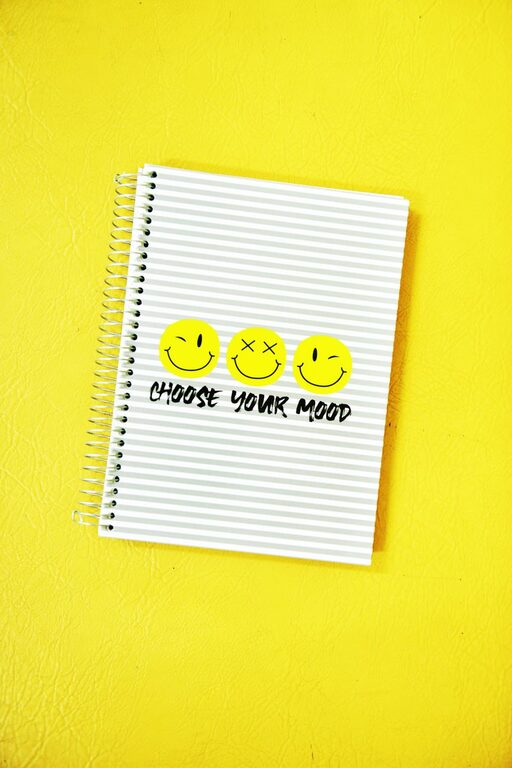
Choosing the right notebook can feel surprisingly overwhelming. With so many sizes, styles, and paper types available, it’s easy to end up with a notebook that sits unused on your shelf. But finding one that truly fits your personal needs and preferences can help you stay organized, boost creativity, and even reduce stress.
In this guide, we’ll walk through key factors to consider when picking a notebook you’ll actually use. Whether you want to journal daily, plan your week, or jot down quick ideas, these tips will help you make a choice you’ll be happy with.
Understand Your Purpose
Before buying any notebook, think about what you want to use it for. Your purpose greatly influences the size, layout, and durability you should look for.
– Journaling or creative writing: Choose a notebook with enough pages and a comfortable size for longer entries.
– Daily planning: Look for notebooks with dated or undated planners or space to track tasks and appointments.
– Note-taking: Durable notebooks with sturdy paper and a portable size often work best.
– Sketching or drawing: Opt for thicker paper or sketchbooks designed to handle ink or pencil shading.
Being clear on how you plan to use your notebook helps narrow down your options and avoid unnecessary features.
Consider the Size
Notebook size affects how easy it is to carry, write in, and store.
– Pocket-sized (3.5” x 5.5”): Ultra-portable, fits easily in small bags or pockets. Great for quick notes but limited writing space.
– A5 (5.8” x 8.3”): A popular middle ground—large enough for comfortable writing but still portable.
– A4 (8.3” x 11.7”): Ideal for extensive notes or sketches. Less portable and heavier, better for desk use.
Think about where you’ll use your notebook most often. If you’re on the go, something compact may be best. For home or office, larger sizes provide more room to spread out your thoughts.
Look at the Paper Quality
The paper inside is important for writing comfort and durability.
– Weight and thickness: Measured in grams per square meter (gsm). Standard notebooks usually have 70-80 gsm, but higher-end ones might go up to 120 gsm or more. Thicker paper reduces ink bleed-through and feels more substantial.
– Texture: Some prefer smooth paper for fast writing, others like a bit of tooth for better grip with pencils or fountain pens.
– Color: White pages offer high contrast, while cream or off-white pages are easier on the eyes and often preferred for journaling or reading.
If possible, test the paper with your preferred writing tools before buying, especially if you use markers, fountain pens, or heavy ink.
Choose the Layout That Fits Your Style
The layout affects how you organize your notes and ideas.
– Lined: Classic and perfect for writing text and journaling.
– Blank: Great for sketching, mind-mapping, or creative layouts.
– Dot grid: A versatile option that combines structure and freedom for bullet journaling or mixed writing and drawing.
– Grid: Ideal for precise drawings, charts, or mathematical notes.
Pick a layout that matches your habits and the type of content you mostly create.
Decide on Binding Type
The way a notebook is bound influences durability and ease of use.
– Spiral-bound: Lies flat when open and easy to flip pages fully back, but spirals can get bent or snagged.
– Sewn binding: More durable and elegant, often lies flat or close to flat. Pages are less likely to fall out.
– Glue-bound (perfect binding): Sleek appearance but may not open fully flat and pages can eventually loosen.
– Hardcover vs. softcover: Hardcover notebooks offer more protection but are heavier. Softcover models are lightweight and flexible.
If you like to write all across the page or hold the notebook with one hand, a spiral or sewn binding may be preferable.
Think About Cover Design and Material
The cover can make a big difference in whether a notebook feels inviting to use.
– Material: Leather or faux leather covers add durability and style. Fabric covers can be soft but may stain easily. Cardboard covers are lightweight but less protective.
– Design: Choose something inspiring or calming for you—a solid color, pattern, or even a notebook with an artwork you love.
– Additional features: Some notebooks include elastic bands to keep them closed, pen holders, pockets for loose papers, or numbered pages.
Consider what features will make using your notebook easier and more enjoyable.
Set a Budget
Notebooks come in a wide range of prices. While it’s tempting to buy the cheapest option, investing in a quality notebook you enjoy can motivate you to use it regularly.
Affordable notebooks can be great for everyday note-taking, while premium options might be better suited for special projects, journaling, or gifts.
Tips to Keep Using Your Notebook
Even the perfect notebook won’t help if it stays empty. Here are ways to encourage regular use:
– Keep your notebook in a visible, easy-to-reach spot.
– Use it frequently, even if only for jotting down a sentence or idea.
– Experiment with pens, colors, or stickers to make writing fun.
– Set small goals like one line a day or weekly summaries.
– Pair your notebook use with a daily habit, such as morning coffee or before bed.
Final Thoughts
Choosing a notebook to use consistently involves matching it to your personal preferences and routine. Consider what you want to use it for, how portable you need it to be, and the writing experience you enjoy. With these factors in mind, you’ll be more likely to pick a notebook that inspires you and fits seamlessly into your daily life.
Happy writing!